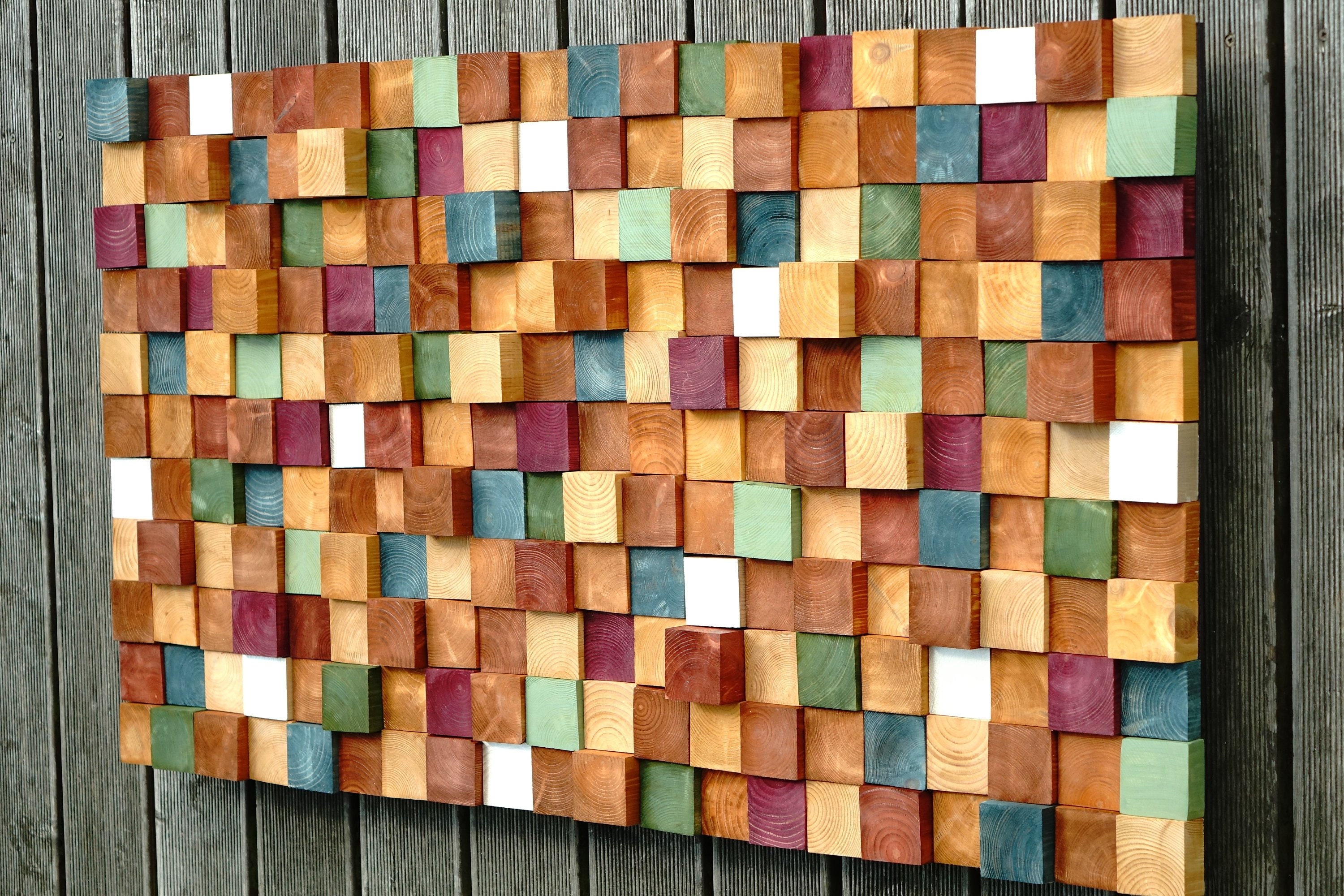

Wood Canvas Painting transforms ordinary wooden surfaces into vibrant works of art, merging craftsmanship with creative expression. Unlike traditional canvas, wood offers a durable, natural foundation that enhances texture and depth, making every brushstroke feel grounded and authentic. This art form invites artists and DIY enthusiasts alike to explore new dimensions—where wood becomes more than structure, it becomes a *canvas* alive with color and imagination. Whether you're restoring an old table, designing custom furniture, or crafting decorative pieces, Wood Canvas Painting opens endless possibilities for personalization and beauty. By understanding the materials, techniques, and inspiration behind this medium, anyone can unlock their artistic potential and create lasting, meaningful pieces that reflect their unique style.
Understanding Wood Canvas Painting: Materials and Surface Preparation
To begin Wood Canvas Painting effectively, selecting the right wood surface is essential. Common choices include pine, oak, birch, and reclaimed wood, each offering distinct grain patterns and textures that influence the final artwork. Before painting, proper preparation ensures paint adheres well and lasts longer. Start by cleaning the wood thoroughly to remove dust, oils, or residues—use a mild wood cleaner or rubbing alcohol. Sanding is crucial: begin with coarse grit (80–120) to smooth rough edges, then progress to fine grit (180–220) for a silky finish. This step prevents paint from clinging unevenly and reveals the natural beauty beneath. Applying a wood primer or gesso creates a stable base, especially important for porous or uneven surfaces. A well-prepared wood canvas not only improves appearance but also protects the artwork from warping or fading over time.
| Material | Characteristics | Best For |
|---|---|---|
| Pine | Affordable, light color, soft grain | Beginner projects, rustic decor |
| Oak | Durable, pronounced grain, warm tone | Furniture, statement art pieces |
| Birch | Smooth, pale, fine texture | Detailed illustrations, modern designs |
| Reclaimed Wood | Eco-friendly, weathered patina, unique history | Sustainable art, vintage-inspired works |
| Preparation | Clean, sand, prime | Ensures paint longevity and adhesion |
| Grain Direction | Follow natural grain lines | Enhances visual harmony and depth |
| Surface Weight | Choose sturdy wood for large pieces | Prevents warping under heavy paint layers |
Note: Always test paint on a scrap piece of wood before starting—this helps predict how colors will behave and ensures compatibility with your chosen surface.
Note: When working with reclaimed wood, inspect for nails, splinters, or chemical treatments that may affect paint quality or safety.
The choice of paint type significantly impacts results. Acrylics are popular for their versatility, quick drying, and ease of cleanup, while oil-based paints offer rich, luminous finishes with slower drying times. Enamel and lacquer provide durability, ideal for high-traffic areas. Whichever medium you select, ensure it’s formulated for wood surfaces to prevent peeling or cracking. Proper layering—starting with base tones, building depth gradually—enhances richness and dimension. Using thin, even coats allows each layer to dry properly, reducing the risk of bubbles or unevenness. Finishing with a clear sealant protects the artwork from moisture, UV rays, and daily wear, preserving its vibrancy for years.
Essential Techniques for Mastering Wood Canvas Painting
Mastering Wood Canvas Painting involves blending technical skill with creative vision. Begin by sketching your design lightly with pencil or charcoal—this acts as a roadmap, guiding your brushwork without permanent marks. For precision, use masking tape to define clean edges, especially around geometric shapes or lettering. Layering is fundamental: start with broad washes to establish background tones, then build complexity with mid-tones and highlights. Gradual buildup prevents overwhelming the surface and allows colors to interact naturally.
Note: Use fine brushes for details and wider ones for backgrounds—this contrast enhances visual balance and focus.
Texture adds depth and tactile interest. Experiment with dry brushing—using minimal paint on a stiff brush—to suggest grain, fabric, or weathered surfaces. Impasto techniques, applying thick paint with palette knives, create dramatic relief, particularly effective on expressive portraits or abstract forms. Glazing—thin, transparent layers—deepens shadows and enriches color saturation, lending a luminous quality to landscapes or still lifes.
Note: Practice blending adjacent colors while wet to avoid harsh lines; patience yields smoother transitions and more natural effects.
Color selection shapes mood and meaning. Warm hues like ochre and terracotta evoke comfort and energy, while cool tones such as indigo and teal inspire calm and sophistication. Monochromatic schemes unify compositions, whereas complementary contrasts draw attention to focal points. Always consider lighting conditions—natural light reveals true color, while artificial light alters perception. Test paint samples under different illumination before finalizing to ensure consistency.
Note: Use color wheels and swatches to plan palettes ahead, ensuring harmony and emotional resonance in your artwork.
Note: Protect finished pieces with a matte or satin varnish to reduce glare and safeguard against dust and humidity.
Each stroke contributes to the narrative—whether capturing a serene forest scene or a bold urban mural. Patience, practice, and attention to detail transform wood from inert material into a living canvas, inviting viewers to see beyond the surface and into the artist’s soul.
Inspiration and Creative Applications
Wood Canvas Painting thrives on inspiration drawn from nature, culture, and personal experience. Forest landscapes, floral motifs, and abstract patterns offer timeless themes, while cultural symbols, family heirlooms, or handwritten quotes add intimate meaning. Furniture restoration breathes new life into forgotten pieces—turning an old dresser into a gallery wall or a dining table into a storytelling centerpiece. Custom signage, wall art, and decorative boxes cater to functional yet artistic needs, blending utility with beauty.
Note: Incorporate mixed media—such as ink, gold leaf, or fabric—to elevate texture and add unexpected visual depth.
From minimalist Scandinavian designs to vibrant Latin American folk art, styles vary widely, reflecting diverse aesthetics and traditions. Experimenting with scale—large murals versus small, intimate panels—expands creative boundaries. Seasonal themes, holidays, or personal milestones inspire timely works that resonate emotionally. Each project becomes a dialogue between artist and material, evolving through trial, reflection, and refinement.
Note: Document your process with photos and notes—this builds a portfolio and reveals growth over time.
Whether personal expression or shared heritage, Wood Canvas Painting connects past and present, transforming wood into a vessel of memory, identity, and beauty.
Note: Share your creations with others—community feedback fuels motivation and inspires new directions.
By embracing technique, intention, and authenticity, Wood Canvas Painting becomes more than a craft—it becomes a lifelong journey of discovery, where every piece tells a story carved in color and care.
Related Terms:
- creative ways to paint wood
- decorative painting on wood
- easy painting ideas on wood
- decorative wood painting projects
- wood canvas boards for painting
- painting wood crafts for beginners